

There is something almost magical about the moment your child runs to you with a wide, wiggly grin. That first loose tooth is one of childhood’s most celebrated milestones. But once the excitement settles, plenty of parents find themselves wondering what to do next, how long the process will take, and whether they should step in or simply let nature run its course.
At All Star Kidz Pediatrics, we love being part of these milestone moments for Las Vegas families. Dr. Christopher Lamb is a board-certified pediatric dentist, holding the highest level of certification a pediatric dentist can achieve, and he and our team are here to guide you through every stage of your child’s dental development. Whether you have a question about a wiggly tooth or need a routine checkup and cleaning to make sure everything is on track, we are always happy to help.
What to Expect When a Tooth Gets Loose
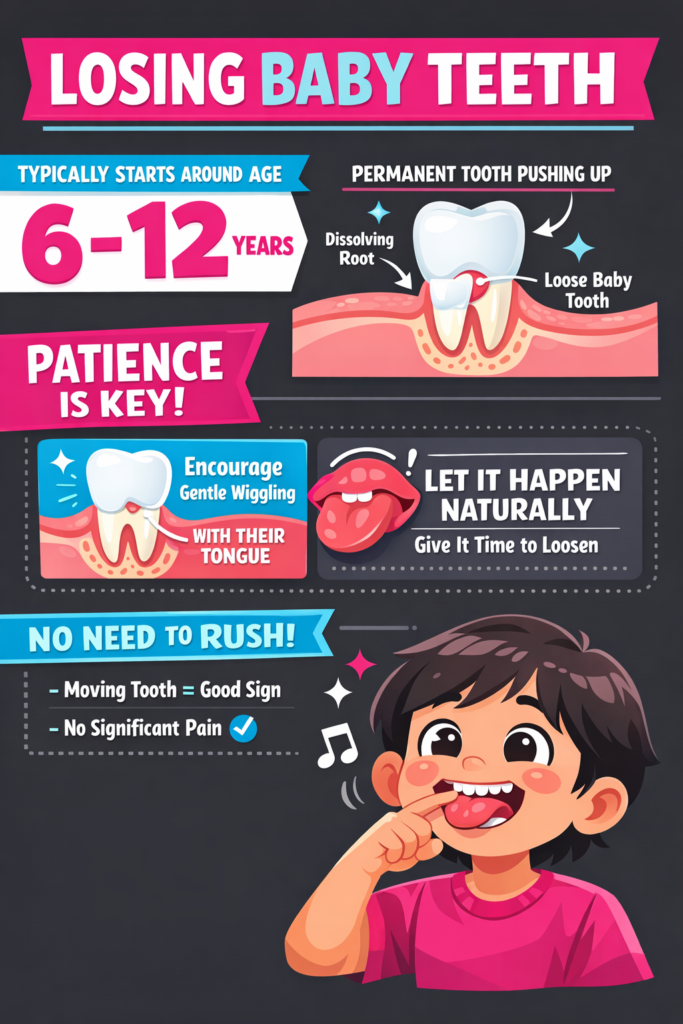
The process of losing baby teeth typically begins around age six and continues through age twelve, with front teeth usually going first. According to the American Dental Association, primary teeth begin to shed as permanent teeth push up from below, gradually dissolving the roots of the baby teeth until they become loose enough to fall out on their own. Most of the time, this resolves naturally within a few weeks to a couple of months.
The best advice we can give parents during this stage is patience. Encourage your child to gently wiggle the tooth with their tongue throughout the day, which naturally helps speed things along. As long as the tooth is moving in the right direction and your child is not in significant pain, there is usually no need to rush the process.
 Can You Pull a Loose Tooth at Home?
This is one of the most common questions we hear from parents, and the answer depends on just how loose the tooth actually is.
The Wiggle-and-Wait Approach
This is almost always the preferred method, and for good reason. When a tooth comes out naturally, the root has fully dissolved, and the process is practically painless. Encourage your child to wiggle it with clean hands or their tongue throughout the day. The tooth will typically fall out on its own while eating, laughing, or even sleeping, and that is completely normal.
When Parents Want to Help
If the tooth is hanging by a thread and your child is ready for it to come out, you can assist by gently grasping the tooth with a clean gauze pad and applying a quick, firm twist. Only attempt this if the tooth is already extremely loose and your child is comfortable with it. Never force a tooth out before it is ready, as this can cause unnecessary bleeding, pain, or damage to the surrounding gum tissue.
Some situations call for professional help rather than a home approach. If the permanent tooth is already coming in behind the baby tooth and the baby tooth is not loosening on its own, we may recommend a simple dental extraction to give the adult tooth the room it needs to erupt properly.
What to Do After the Tooth Falls Out
Once the tooth comes out, have your child bite gently on a clean gauze pad or damp cloth for a few minutes to control any minor bleeding. A little bit of blood is completely normal. Rinse the mouth with water and remind your child not to poke at the empty socket with their tongue or fingers for the first day or two.
Help your child continue brushing carefully around the area as it heals. If you notice the empty space is not filling in over time, it is worth checking in with us. In some cases, we may recommend a space maintainer to keep neighboring teeth from drifting before the permanent tooth arrives.
When to Call a Pediatric Dentist
Most loose teeth are entirely uneventful, but certain signs should prompt a call to our office. Here are the situations where professional guidance is the right move:
- Significant pain or swelling: Any tooth that causes noticeable pain or swelling in the gum may indicate an underlying issue that needs to be evaluated
- Trauma-related looseness: If a tooth becomes loose due to a fall or injury rather than natural shedding, that is considered a pediatric dental emergency and should be addressed right away
- Looseness lasting more than three months: If nothing seems to be changing after several months, an X-ray can help us assess what is happening beneath the gum line
- Multiple teeth loosening at once: While this can be perfectly normal, it is best to verify that development is on track
When in doubt, give us a call. We would rather ease a worried parent’s mind than have something go unnoticed.
Trust All Star Kidz Pediatrics for Every Smile Milestone
From first wiggles to final baby teeth, Dr. Christopher Lamb and the team at All Star Kidz Pediatrics are proud to support Las Vegas families through every stage of their child’s dental journey. As a Diplomat of the American Board of Pediatric Dentistry, Dr. Lamb brings specialized training and genuine care that sets our practice apart from corporate dental chains. We accept all major insurance, including Medicaid, so exceptional pediatric dental care is always within reach.
When your child is ready for their next visit, or if that loose tooth has you wondering whether everything is on track, we would love to see them. Contact our office today to schedule an appointment and let us help your little one smile with confidence through every growing-up milestone.